AI Practice
We test AI in real workflows. We report what works, what doesn't, and what's worth building. The deliverable is a product spec, not a slide deck.
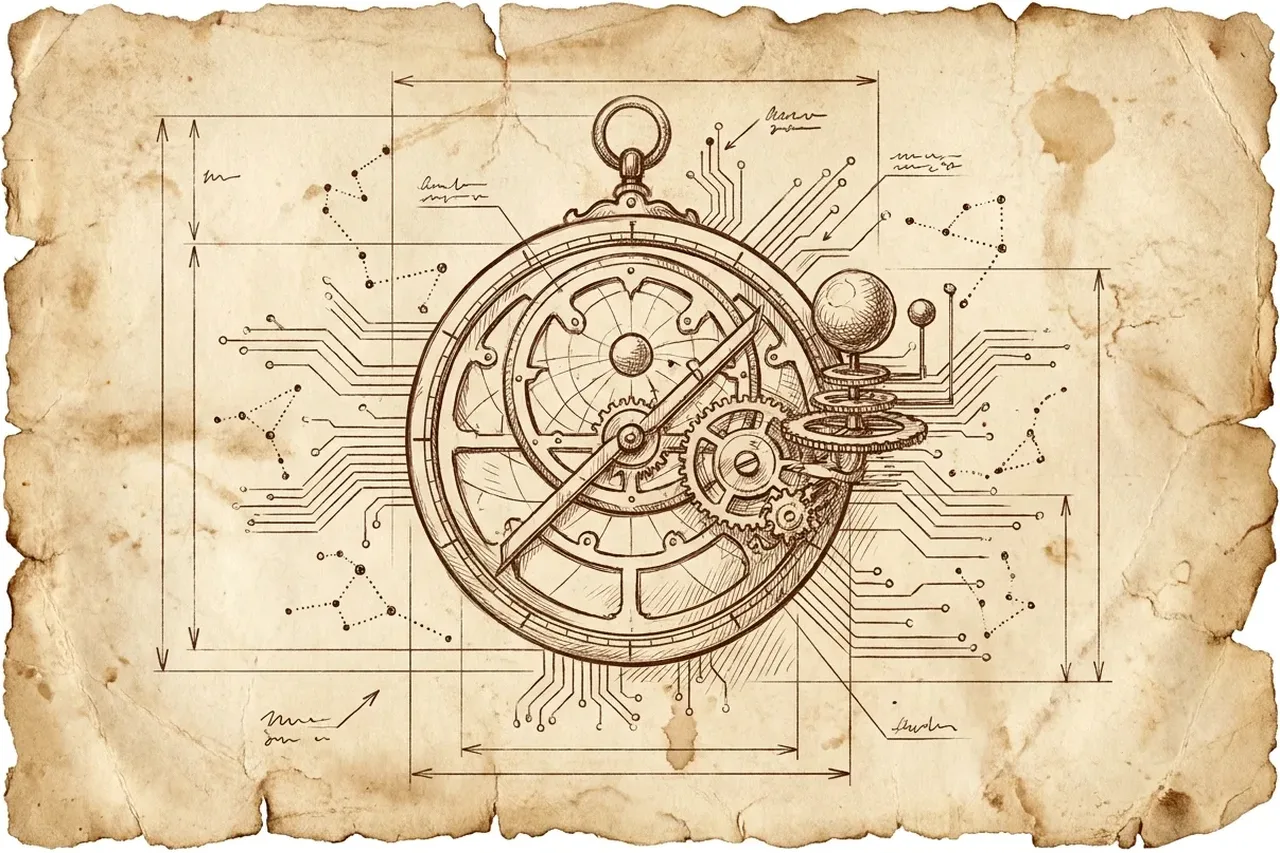
Our AI Practice is grounded in the Bloom's Framework — Jasem's public work on effective human-AI partnership.
What's included
A workflow audit, a pilot run in production, and a build-or-don’t verdict backed by evidence. You leave with a decision you can defend — not a demo.
Proven in
TeamSoul — a team KB where humans gate the AI
TeamSoul is the multi-user knowledge base and project tracker Triden runs its own work on — an any-domain tracker where AI authors and builds, and a human reviews and accepts every piece before it lands. Tested in production the hardest way: we use it every day, on every project.
Training an engineering team to build with AI
A national institution's engineering team learned to build full-stack software with AI — hands-on, in real workflows — using Triden's Bloom's Collaboration Framework. Not a lecture series: every participant left able to ship, with their own working AI knowledge hub.
AI Business Analyst — requirements captured by voice
A self-serve tool that captures a real requirement over a voice conversation: an operator scopes a session and sends a link, a respondent talks to an AI business analyst, and the system returns a structured requirements report — with the initiator notified when it's ready.
Farm Management AI — IoT, AI decisioning, marketplace
A unified Farm Management platform — from IoT plant management to AI-driven decisioning to marketplace. A Triden internal build, with a real trial site running on a real farm.
How an engagement runs
Starts with a free Discovery sprint, then a pilot in a real workflow. Take the verdict to your team, or we stay on and build what it points to.
We don't ask you to trust the AI. We make its work checkable.
The practice runs on one line — the point where a model's output stops being verifiable against anything real. We call it the auditability boundary, and we keep it visible: the consequential calls stay above it.
- Below the line — grounded.
- Recall, explanation, drafting, analysis. Each is checkable against something real — a source, a runtime, the spec you just approved. If it's wrong, we catch it; the safety isn't the model's confidence, it's that a referent exists.
- Above the line — yours.
- Judgment, values, and the build, buy, or unwind decision. There's nothing to check these against but your context and your stakes — so they stay with you. Every deliverable names its assumptions, its risks, and the test we hold ourselves to: what would change our mind.
- The line moves with the stakes.
- Reversible and low-stakes, the AI does more. Binding, novel, or expensive to verify, the line rises and human review expands. One question sets it every time: if this output is wrong and we act on it, what breaks?
- The outcome is a governed decision.
- Not a slide deck — a product spec you can take to a specialist with informed questions, proven on real engagements like the AI decisioning we govern on a live farm in Farm Management AI.
We'll teach it, too.
Beyond engagements, we train your teams on the framework itself — bespoke sessions that put your people to work governing, evaluating, and measuring AI in your own workflows. Your domain, your stakes, the same line we run.